

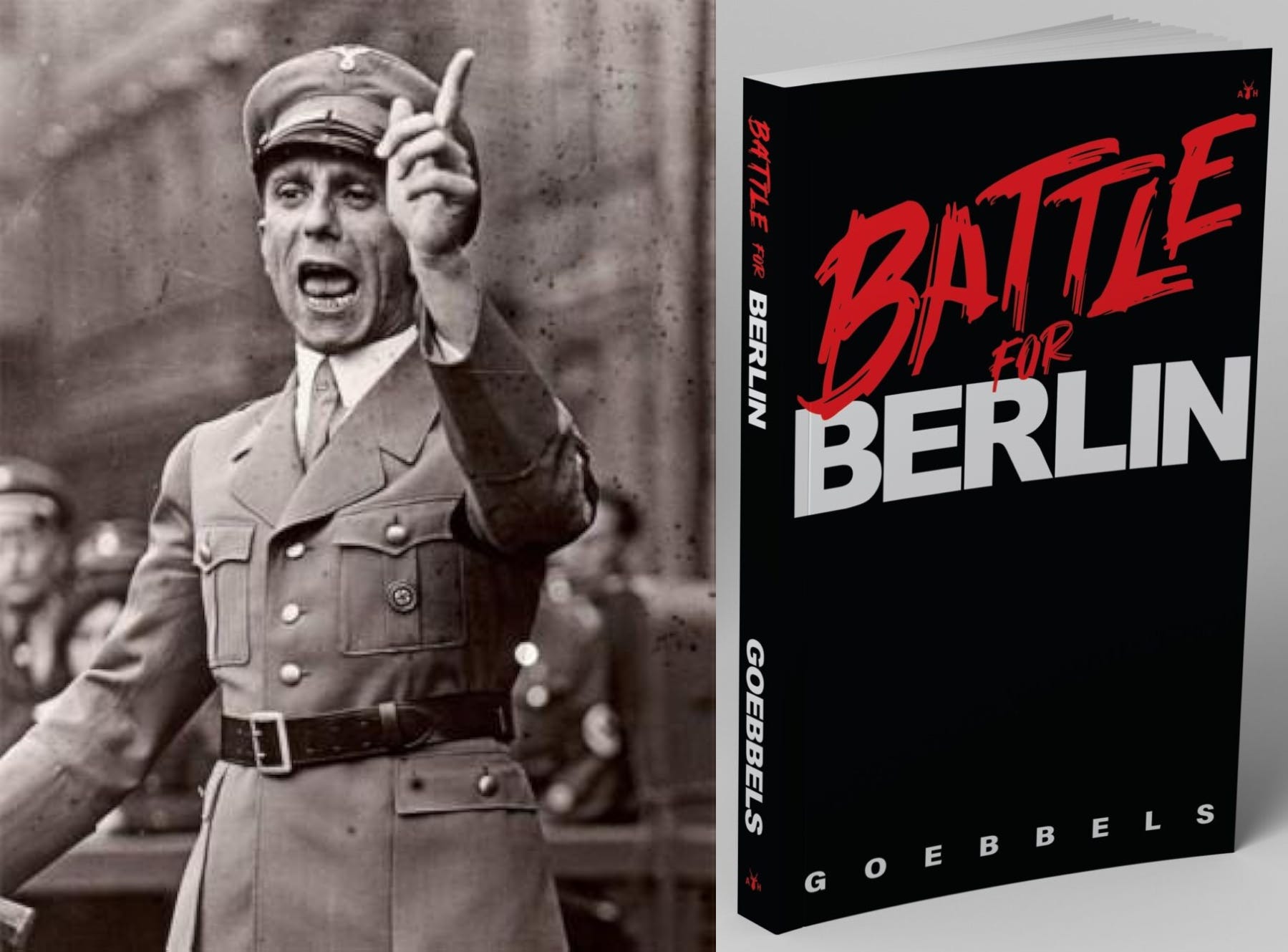
This is an article version of a thread we did on Twitter/X, which you can find here. This information is presented for purposes of historical education.
“The battle for a capital city is always a special period in the history of revolutionary movements.”
In 1926, few in Germany could have predicted the political movement that would govern Berlin, and the whole country, in just a few years’ time.
Hitler’s National Socialist German Worker’s Party (NSDAP) had just recently been legally unbanned after a failed putsch in Munich in 1923, and Berlin was well known as one of the most decadent and liberal cities in Germany, with its working-class neighborhoods forming a stronghold of Communist influence.
Nevertheless, the National Socialists knew that the only path to electoral victory lay through the capital. To this end, Hitler fatefully designated an up-and-coming, charismatic party member, Dr. Joseph Goebbels, to reinvigorate the local branch of the party in the city.
What were the challenges the National Socialists faced, and how did they manage to overcome them? Read on to find out!
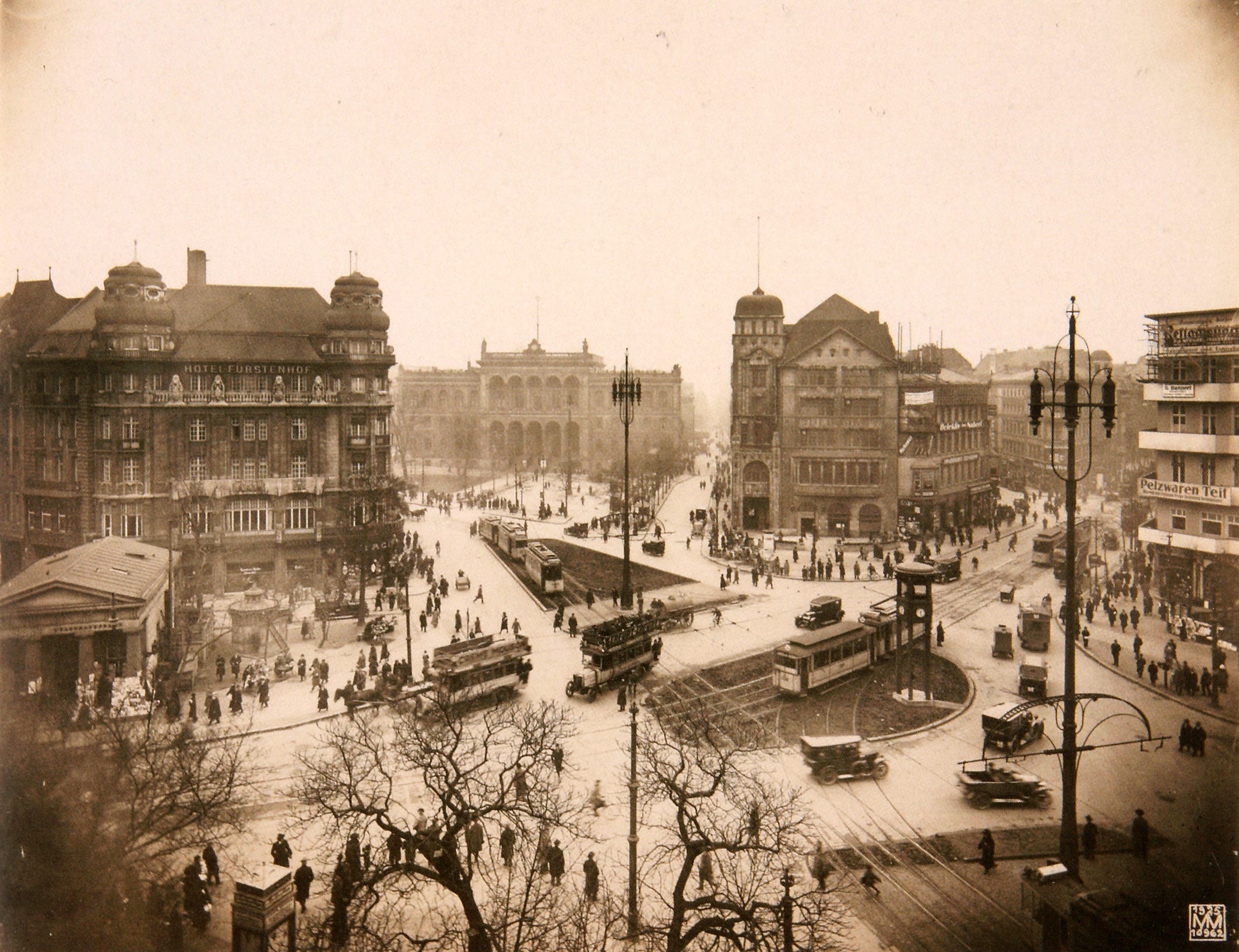
On a gray evening in November 1923, Dr. Joseph Goebbels arrived by train Berlin. He had just been appointed Gauleiter, or district leader, of the NSDAP in Berlin. The party chapter was riven with internal struggles over leadership, and paralyzed by lack of enthusiasm and direction.
In his book retelling the story, Goebbels would write that:
Disputes over leadership had shaken the structure of the organization to its core, as far as one could speak of such a thing. For a time, it seemed impossible to enforce order and firm discipline again.
The party’s enthusiasm was also sorely lacking, and many had lost both vision and direction. Many of the groups in Berlin had devolved into little more than social clubs, with no revolutionary aspirations.
It sometimes happened that one came across local units whose entire behavior was more reminiscent of a patriotic bowling club than a revolutionary fighting movement.
The party had only a few things going for it. One was their relative anonymity at the time, and the fact that they weren’t being taken seriously by the leftist and foreign-owned media. Concerning their Communist enemies, Goebbels recalled:
… if the KPD in Berlin had even suspected what we were and what we wanted, they would have mercilessly and brutally drowned the very beginnings of our work in blood. The fact that people did not even know us at Bülowplatz, or if they did know us, they would smile and walk by, was something our opponents must have often bitterly regretted later.
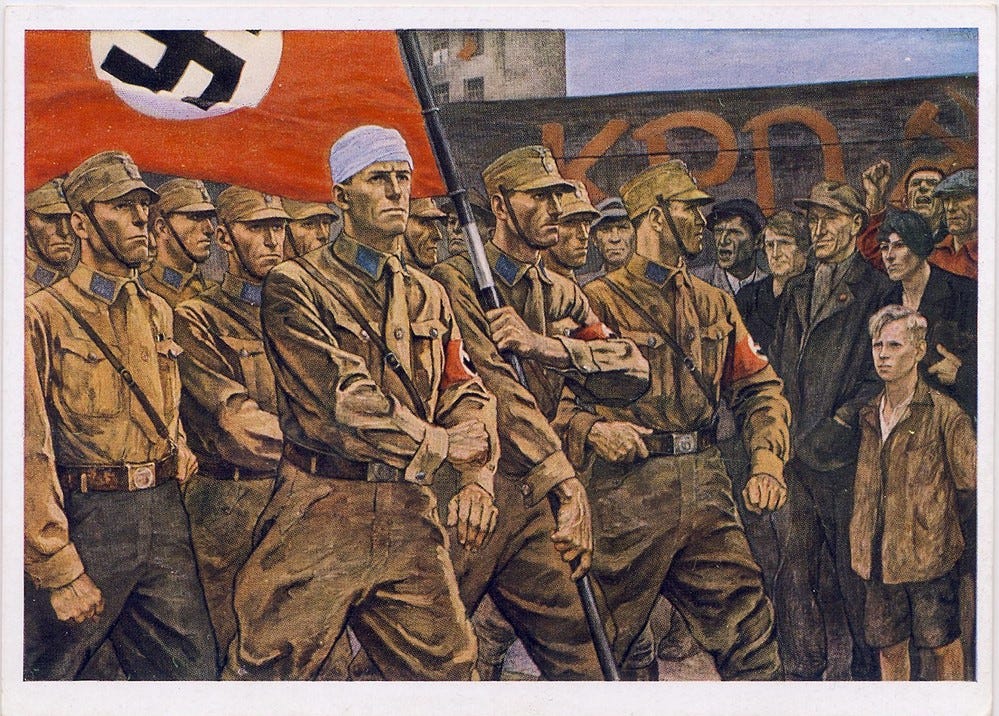
Another potent weapon the Berlin NSDAP had up its sleeve was the fighting spirit of its paramilitary, the Sturmabteilung, or “SA.”
Probably one of the most famous such organizations in history, the controversial and often troublesome SA would nevertheless prove invaluable to Hitler’s conquest of Berlin, and grow immensely loyal to Goebbels, who through his charismatic leadership proved the ideal match for their ferocious spirit.
Goebbels wrote:
The SA man wants to fight, and he also has a right to be led into battle. His existence finds its justification only in battle. The SA without a militant tendency is absurd and pointless.
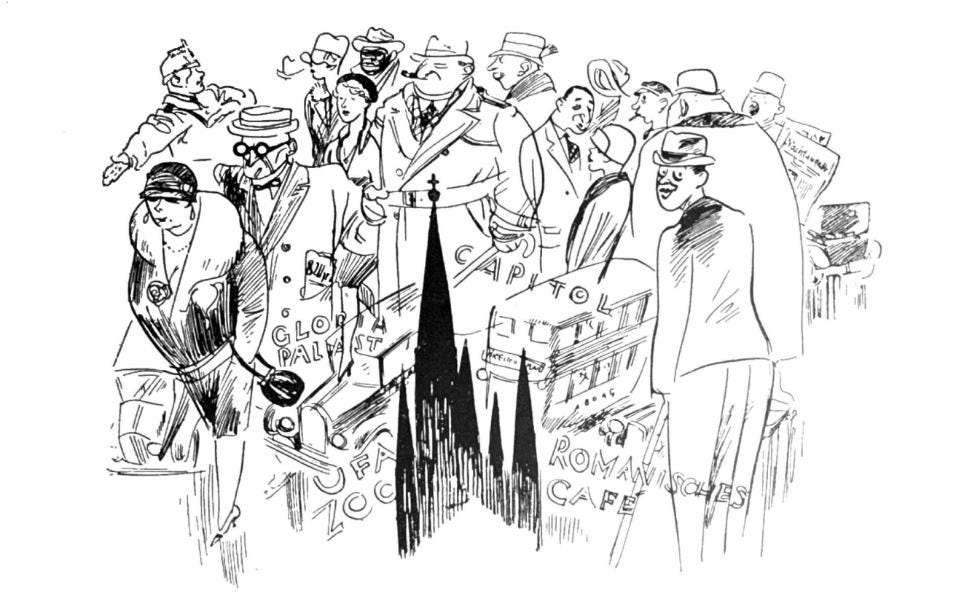
Finally, the unique character of Berlin itself proved a double-edged sword. Initially, it presented a frustrating challenge and obstacle. However, once understood and appreciated, it offered fertile ground for recruitment and helped reinvigorate the movement.
Goebbels wrote that the city:
… has its dangers. Every day the rotary press spews millions of newspaper copies of Jewish venom into the Reich’s capital. Berlin is dragged back and forth by a hundred mysterious forces, and it is difficult to gain a firm foothold and maintain a secure intellectual position in this city.
At the same time, there was also a lot of potential in the character of Berlin, if the National Socialists could figure out how to harness it.
The city of Berlin has an unparalleled intellectual nimbleness. It is lively and energetic and brave; it has less sentiment than reason and more wit than humor. The Berliner is constantly on the go and vigorous. He loves work, and he loves fun. He can dedicate himself to a cause with all the passion of his lively soul, and nowhere is relentless fanaticism, especially in political matters, more at home than in Berlin.
With these strengths and challenges, Goebbels set about to rebuild the Berlin NSDAP from the ground up, and start afresh.
About those early days, Goebbels would recall:
I still remember, with deep emotion, one evening when I, a complete stranger, was sitting on the top of a double-decker bus with some comrades from the Kampfzeit, traveling across Berlin to a meeting. The streets and squares of the city were teeming with people: thousands and thousands of people on the move, seemingly with no purpose or destination. Shining above it all was a flickering gleam of light. Then someone anxiously asked whether it would ever be possible to impose the name of the Party, and our own names, onto this city. Even sooner than we could have hoped and believed in those hours, this timid question received an unequivocal answer from the facts themselves.
To read the rest of the story of the NSDAP’s conquest of Berlin in Goebbels’ own words, check out our book, Battle for Berlin, the source for this thread!
Meticulously translated and with a foreword by Dr. Thomas Dalton, this vital historical primary source from the perspective of one of the most important German statesmen of the twentieth century is a must-read for scholars and enthusiasts alike.
Get the book here!